




Introduction: Continuing Education Beyond Licensing
Continuing education is often treated as a checkbox, something to complete for compliance. For mutual insurers, education serves a larger purpose: protecting members, supporting staff, and improving outcomes during stressful claims. The real question isn’t “Do we need a CE?” It’s “Are we preparing our people for real-world losses?”

The Reality of Property Claims (Why Classroom Knowledge Isn’t Enough)
Property claims are complex, emotional, and time-sensitive, especially in cases involving fire and smoke damage restoration where immediate response is critical.
Understanding the Emergency: What Actually Happens on Site
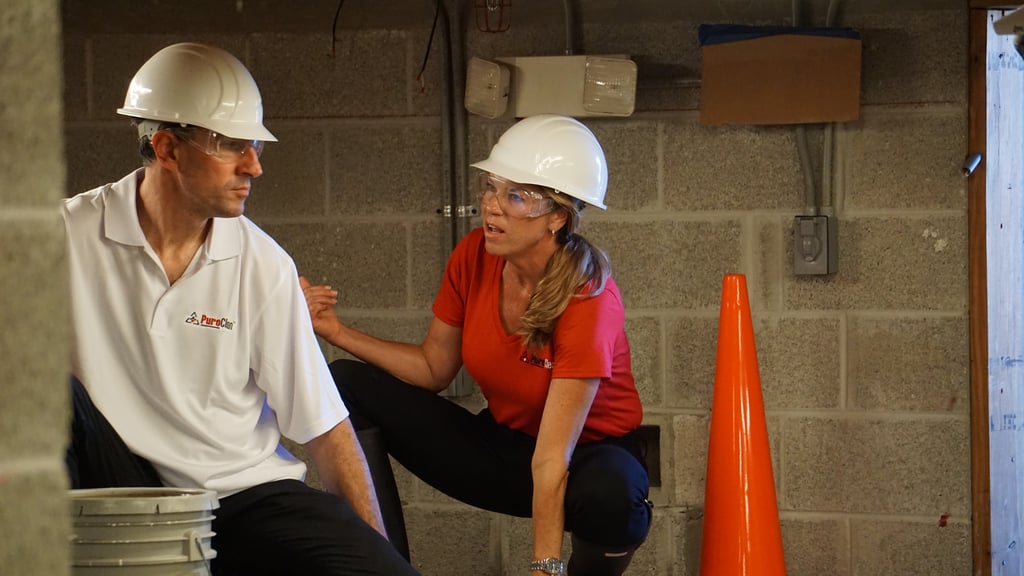
CE courses bridge the gap between policy language and real-world restoration. Teams learn what happens on site, why early mitigation matters, and why timelines, costs, and scope often differ from expectations. Better understanding reduces frustration and repeat calls.
Continuing education also helps evaluate restoration partners before emergencies. When a CAT event hits, relationships matter. In situations where moisture and water exposure are involved, properties may also require professional mould removal services to prevent further damage and health risks. Education sessions provide a low-risk way to assess standards, capabilities, and culture.
The Mutual Advantage of Investing in People
For mutual insurers, continuing education is an investment in people: building confidence, reducing burnout, and improving consistency across claims handling.
Strengthening Member Trust
Educated and confident staff can communicate clearly and empathetically during stressful claims. They reduce uncertainty for policyholders and prevent frustration caused by inconsistent or delayed information. Trust is reinforced not only by outcomes, but by clarity, reliability, and professionalism throughout the claims process.
Building Consistency Across Teams
Mutual insurers often operate with leaner teams and fewer resources than large carriers. Consistency is essential. Continuing education aligns staff around:
- Standard restoration practices
- Documentation and file management expectations
- Escalation protocols and communication strategies
Consistency ensures predictable, high-quality service for members and simplifies internal review and decision-making.
Reducing Burnout and Retaining Talent
High-stress work can lead to fatigue, errors, and turnover. Continuing education builds confidence, reduces uncertainty, and fosters resilience, helping staff feel supported and values. Investing in people signals that the organization prioritizes growth and well-being, which is a key factor in retention.
How Continuing Education Enhances CAT Readiness
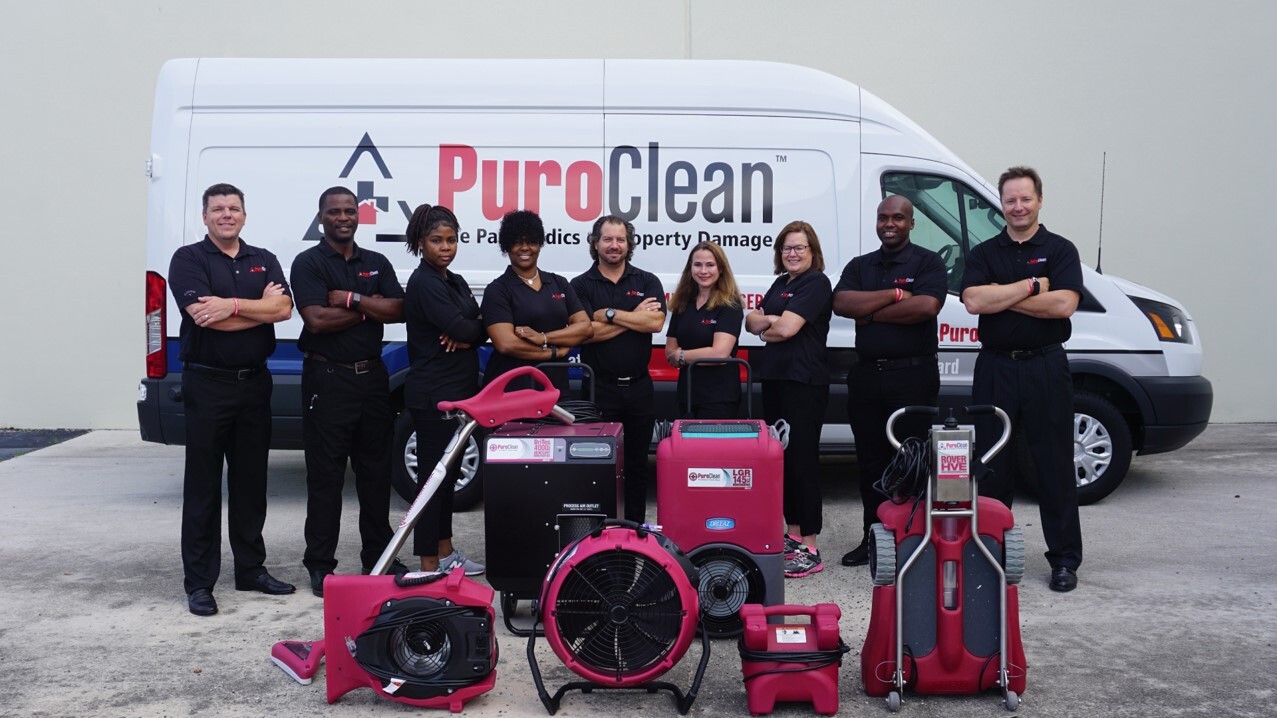
Preparedness before catastrophic events ensures teams can respond efficiently when volume surges and pressure intensifies. Continuing education equips staff with a clear understanding of surge procedures and capacity limits, allowing resources to be activated smoothly and without confusion. It strengthens vendor coordination during high-demand periods, helping reduce delays and maintain workflow. Education also reinforces consistent communication under pressure, enabling teams to manage member expectations and minimize frustration.
Participation in a CE ensures that when high-impact events occur, teams are not scrambling to define processes. They are executing plans with confidence, clarity, and coordination.
Conclusion: Measuring the Return of Continuing Education
The impact of focused education can be observed in tangible ways:
- Fewer member escalations and repeat inquiries
- Faster claim cycle times
- More consistent documentation and reporting
- Stronger internal alignment and confidence
- Improved member satisfaction and retention
While a CE may satisfy licensing requirements, its true value is operational, cultural, and relational. By prioritizing education beyond licensing, mutual insurers ensure that when real-world losses occur, whether a single water claim or a widespread CAT event, teams are ready to respond effectively, protect members, and uphold the values that mutual insurance is built upon.
Preparedness doesn’t happen in the moment. It happens before the loss. And that is the true advantage of learning before it matters most, especially when working with experienced property restoration experts in Calgary.
To explore continuing education courses available to mutual insurers across Canada, click here.